
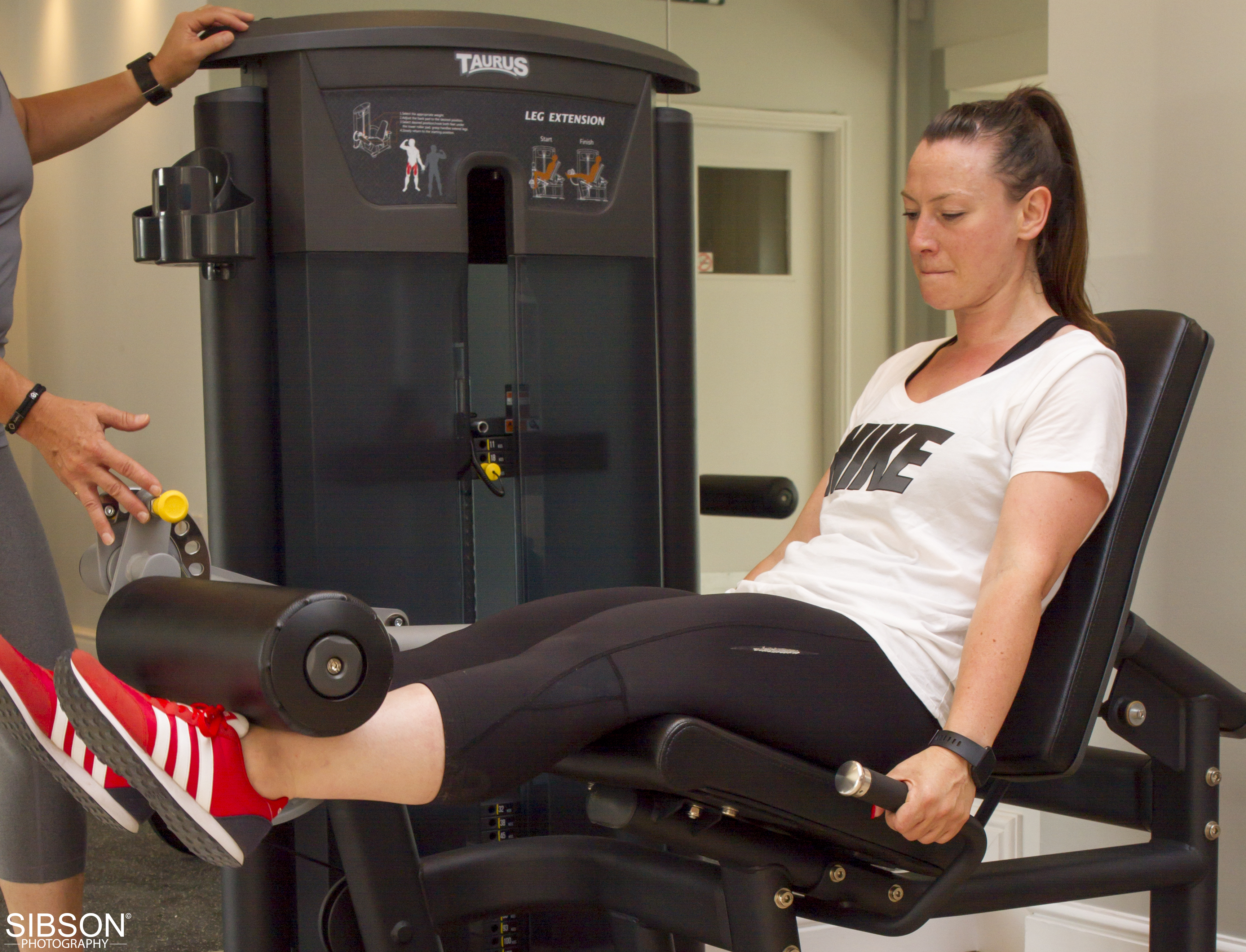
HIIT .V. HIRT… that is the Question!!
HIIT vs HIRT Breakdown
Aerobic activity is the go to prescribed exercise for health and weight maintenance, to ensure we are working aerobically as oppose to anaerobically (without oxygen) we need to keep the activity intensity to between 50% and 70% maximal for the duration of performance. Aerobic means that the body is using oxygen to perform the activity and fat burns in an oxygen flame, therefore there should be a considerable fat burn during aerobic activity…. Right??
Higher intensity exercise has also been linked to higher rates of fat oxidation, measured by respiratory exchange ratio (RER). Recently, higher-intensity exercise modalities have been suggested as more time-efficient strategies for improvements in health and energy expenditure. One study reported that subjects lost more weight when they performed high intensity interval training compared to moderate intensity aerobic exercise.
HIIT is based on performing an exercise at maximum effort for a brief period of time, followed by a short period of rest. Exercise intervals (the time spent performing the exercise), can set a time anywhere between 20-60 seconds. HIIT can be done with virtually any machine such as a treadmill, cycle, etc.
Another type of programme prescription shown to enhance fat loss and increase lean muscle mass is, high intensity resistance exercise.
Twenty recreationally active women were select to take part in the research they all completed three different modalities of exercise and six exercise sessions in total. The reason for 6 sessions is to complete 2 sessions of the same exercise prescription but with different fuel consumption. The fuel consumption was to establish if pre-exercise carbohydrate or protein ingestion had any effect on post-exercise RER-resting energy expenditure (i.e. total calories burned) and REE-respiratory exchange ratio (i.e. total fat burned) in women.
• Aerobic endurance exercise (AEE)
The AEE bout consisted of a self-selected 5-min warm-up, followed by a 30-minute treadmill jog at 45% to 55% of heart rate reserve.
• High-intensity interval running (HIIT)
A HIIT bout consisted of a self-selected 5-min warm-up, followed by ten rounds of a 60-seconds treadmill run at 85% to 95% HRR with a 60-seconds passive rest period. The entire exercise bout lasted approximately 20 minutes.
• High-intensity resistance training (HIRT)
Exercises were performed in the following order: leg press and bench press, lunges, shoulder press, biceps curl, and triceps extension using free weights. Subjects performed a self-selected warm-up prior to starting. A HIRT bout consisted of three sets of 6 RM to 8 RM followed by a 20- to 30-second rest for each exercise. There was a rest period of 2.5 minutes between each exercise. The average length of HIRT sessions was approximately VS. HIRT 25 minutes.
The women were also assigned to two acute nutritional interventions: carbohydrate and protein. Participants orally ingested 25 g of carbohydrates in the form of maltodextrin or whey protein isolate mixed with 6 oz. of water in an opaque bottle. Post-exercise REE and RER were analysed via indirect calorimetry at the following: baseline, immediately post (IP), 30 minutes (30 min) post, and 60 minutes (60 min) post exercise. A mixed effects linear regression model, controlling for estradiol, was used to compare mean longitudinal changes in REE and RER. So which exercise is the king of all fat burning?
On average, high-intensity interval running produced a greater REE or calories burned for up to 60 minutes post-exercise than aerobic endurance exercise and high-intensity interval training post exercise. Immediately post exercise, there was a heightened caloric effect from the High-intensity interval running bout stimulating approximately 800 kcal/day more than High-intensity resistance training and aerobic endurance exercise.
High-intensity interval running and high-intensity resistance training both also stimulated greater fat utilization (via a lower RER) when compared to aerobic endurance exercise. On average, high-intensity interval running produced lower RER compared to either aerobic endurance exercise or high-intensity resistance training after 30 minutes and compared to aerobic endurance exercise after 60 minutes. So in sum, aerobic exercise is not a very good method to lose weight and high intensity interval running is a much superior method for burning calories. Also, high intensity interval running burns more calories and fat post exercise compared to high intensity interval resistance training.
Which Fuel Burns More Fat Post-Exercise?
Another very interesting finding was that whey protein prior to exercise increased post-exercise resting energy expenditure, compared to carbohydrate consumption. Whey protein
ingestion also resulted in significantly augmented fat utilization 30 and 60 min post-exercise.
Here are the study highlights: This study indicates that high-intensity interval running elicited the largest increase in post-exercise REE, as well as augmented RER, compared to
aerobic endurance exercise and high-intensity resistance training. In combination with varying exercise modalities, whey protein intake elevated post-exercise REE and fat oxidation to a greater extent than CHO. PRO ingestion prior to exercise may help further maximize the caloric effect, with an additional approximately 90 kcal/day expended compared to CHO. Around 30 min post exercise, whey protein increased fat utilization compared to carbohydrate. Collectively, these findings suggest a potential benefit of integrating High-Intensity interval running and pre-exercise whey protein intake into exercise routines. Specifically in women, this strategy may have positive implications on their health, weight, and body composition.
Sources:
Wingfield HL, Smith-Ryan AE, Melvin MN, Roelofs EJ, Trexler ET, Hackney AC, Weaver MA, Ryan ED. The acute effect of exercise modality and nutrition manipulations on post-exercise resting energy expenditure and respiratory exchange ratio in women: a randomized trial. Sports Med Open. 2015 Jun;2. pii: 11.
Warren A, Howden EJ, Williams AD, Fell JW, Johnson N a. Postexercise fat oxidation: effect of exercise duration, intensity, and modality. Int J Sport Nutr Exerc Metab [Internet] 2009;19(6):607–23.
Chad KE, Quigley BM. Exercise intensity: effect on postexercise O2 uptake in trained and untrained women. J Appl Physiol. 1991;70:1713–9.
12. Goto K, Tanaka K, Ishii N, Uchida S, Takamatsu K. A single versus multiple bouts of moderate-intensity exercise for fat metabolism. Clin Physiol Funct Imaging [Internet]
2011;31(3):215–20. doi: 10.1111/j.1475-097X.2010.01003.x. Gore CJ, Withers RT. The effect of exercise intensity and duration on the oxygen deficit and excess post-exercise oxygen consumption. Eur J Appl Physiol Occup Physiol.1990;60(3):169–74.
Leave a Reply