
Active Aims Blog
Mar
10
23
How about a drink?
Having a social drink with friends is a favourite for many of us, a drink after work or during the evening to settle down, unwind and relax seems positively healthy. To be honest Im a big fan of a glass at the end of the day, but is it good for me or does it negatively affect my body over a period of time?
So what does happen when we drink alcohol and how do we get rid of the toxic waste, alcohol isn’t treated like other nutrients in food and the body works hard to eliminate it from our system, however whilst alcohol is metabolised, the body shuts down metabolism of other nutrients like, carbohydrates, fats and proteins.
After reading that paragraph your first thought might be, ”I burn off alcohol calories as soon as I drink them” and yes you do, but that is to the detriment of your bodies first choice of energy which is fats and carbohydrates. Reducing the amount of fat you can burn as energy is the main effect of alcohol, shutting down your metabolism is a sure way to gain weight.
Hormones and alcohol
I have wondered for quite some time whether drinking alcohol increased night sweats during menopause. If I think about it logically then the obvious answer is of course it does, because hormones play a crucial role in the healthy functioning of the bodies tissues and organs. Alcohol can impair the function of the glands that release the hormones. During menopause hormone release is imbalanced anyway, so adding more trauma to the delicate endocrine system can only have negative effects. Additionally alcohol increases cortisol, a hormone associated with weight gain.
Long term excess alcohol consumption can lead to the development of a fatty liver which changes the way we metabolise and store carbohydrates and fats, leading to weight gain.
According to a 2013 review published in Endocrinology and Metabolism Clinics of North America, long-term, excessive alcohol intake can cause hormone changes that disrupt thyroid function, immunity, and bone health to name a few.1
Alcohol also plays havoc with sleep patterns, often causing long periods of wakefulness, disturbed sleep and if consumption is excess insomnia, is common. Sleep deprivation impacts hormone balance relating to hunger and energy storage, resulting in weight gain.
So are there any health benefits to drinking alcohol?
Firstly if you’re fit and healthy moderate drinking makes you 25% to 40% less likely to have a heart attack, stroke or hardened arteries…. Thats moderate drinking within the normal ranges of 14 units for women and 21 for men, small amounts of alcohol can raise HDL levels (good cholesterol). However heavy drinking increases risk of heart disease and stroke.
Scientists have found that people who drink moderately are more likely to exercise and conversely people who exercise are more likely to drink moderately, thus having a double health benefit. My guess would be people who exercise or play sport are more likely to go to the pub after a game or after working out together… maybe?? A sociable lifestyle can help you deal with stress more effectively, people drinking together, talking and laughing are all positive health benefits.
Regular moderate drinkers are less likely to get kidney stones — 41% less likely for those who drink beer, 33% for wine drinkers. Part of the reason may be that alcohol, like caffeine in coffee and tea, makes you pee more often. That helps clear out the tiny crystals that form stones. Drink too much, though, and you can get dehydrated, and that increases your risk of kidney stones along with other health problems.
Give your sex life a boost, studies suggest that women who drank a glass of red wine each day had more desire, arousal and sexual satisfaction than those who didn’t, a drink also raises a mans testosterone level.. making men and women friskier after a drink… However don’t get to carried away, drink too much gentlemen and you could fall foul of brewers droop!!
Drink or not to drink that is the question.
So weighing up all the pros and cons of alcohol consumption, for me as a moderate drinker it’s a no brainer. If you enjoy a drink then why not, so personally I will stick with my glass of wine, have a day or two off, make sure too drink plenty of water during the day to avoid dehydration. Especially as menopausal sweats seem better when you’re hydrated and worse if you’re not.
Just one last tip before if you haven’t tried non alcoholic beers and lagers there are some good ones around, so on the evening you are driving to the pub give them a go, they are low calorie and no alcohol keeping you safe to drive.


Mar
01
23
Competing in the game of life!
The world has been a challenging place for the last few years, firstly we had Brexit, many businesses found this a tough time , with customers and clients unsure about the future.
Then came the pandemic, bringing with it lockdown, family traumas and uncertainty for two years. People worked from home, businesses and shops were closed and a new type of life became the norm.
Currently we are on the brink of recession, with high fuel bills and cost of living forcing many people to re access their financial situation, cut back on non essentials and think about how far their hard earned cash will stretch.
Our business is about wellbeing, not just physical health but also mental wellbeing. We know that when times are tough, feeling fitter and thinking positively goes a long way to ensure overall health is good.. However if life is a struggle it’s not easy to stay at the top of your game, even the most routine daily activities can feel too much to cope with. Getting the kids to school, making dinner, tidying the house, going to work, maintaining good relationships with those around you can all be difficult tasks.
So for those of you who are really struggling for whatever reason here are a few tips which may help:
Firstly you are not alone, don’t trust social media not everyone is having a good time, do take time to call a friend and make a social call. This involves just the two of you and isn’t on show for the rest of the world to comment on. Share how you feel and genuinely enjoy a free and easy chat.
Try and find low cost / no cost things to do, take a picturesque walk with a friend or a dog and really look at your surroundings, find comfort in nature and if you feel like it stride out and increase your pace. Release endorphins and feel better.
The cost of food is high right now, but try to get together raw ingredients and make a meal from scratch. One of my favourites is home made soup and warm crusty bread, fresh spinach, broccoli, potatoes, stock, herbs and spices.
Chilled out TV is always so much more relaxing after some exercise, try a brisk walk or cycle during the early evening or after work.. then grab a mug of tea and relax.
Its amazing how relaxing a bath can be at the end of a long day.. run some hot water and favourite bubbles into a bath, pop on audible (so you don’t drop your paperback ) and lie back.
Try some free online yoga there are plenty to choose from, my go to class is called ”Do Yoga With Me” I love it and usually pick a 45 minute session especially designed for lower back, hips and legs.
If you can manage to find a way to relax before you go to bed then you are far more likely to sleep well. Resist… replying to text messages, looking at social media, engaging with emails or anything else which might set your brain into action. The whole idea is to switch off, with the goal to sleep.
Sleep goes a long way in ensuring we feel energised, balanced and ready for the day ahead, if we can learn to pay our body and mind some attention, feel less guilty about things we can’t change, live in the present instead of the past, make good health choices and generally give ourselves a break then we might just be able to climb out of the pit and start to live instead of exist.
Jun
30
22
The Truth about Hangovers
“Beer before wine and you’ll feel fine, wine before beer and you’ll feel queer” – many of us may swear by this time-honoured tip when “mixing” our drinks.
A new study has challenged the idea that the order in which alcohol is consumed made any difference to the after effects of alcohol in terms of the severity a hangover.
So to test the wisdom that the order in which we have alcoholic drinks affects how we feel the following day, scientists took 90 students aged between 19 and 40 from Witten/Herdecke University in Germany and split them into three groups:
- the first group drank around two-and-a-half pints of lager, followed by four large glasses of white wine
- the second had the same amounts of alcohol, but in reverse order
- the third had only beer or wine (a control group)
A week later, participants in the first two groups switched around, while those in the control group changed to the other alcoholic drink.
Participants were asked to judge how drunk they were at the end of each study day and were kept under medical supervision overnight.
The study found that how drunk people felt and whether they vomited provided the best indicators for the next day.
It was also not possible to predict hangover intensity based on factors such as age, body weight, drinking habits and how often people usually got hangovers.
However, there was a difference between the sexes, with women tending to have slightly worse hangovers than men.
Jöran Köchling, from Witten/Herdecke University in Germany, who was the first author of the paper, said: “The only reliable way of predicting how miserable you’ll feel the next day is by how drunk you feel and whether you are sick. We should all pay attention to these red flags when drinking.”
Science has found no truly effective remedy for a hangover
Though hangovers are not well understood by science, it is thought that causes include dehydration, our immune systems, and disturbances of our metabolism and hormones.
Colourings and flavourings may also make hangovers worse, which might explain why drinks of the same concentration can cause a more severe hangover.
One of the study’s findings was that those who vomited were more likely to have a bad hangover.
So does that mean that the so-called “tactical chunder” – where people deliberately purge themselves of alcohol to lessen a hangover or make themselves less drunk – is also a myth?
Dr Kai Hensel, senior author of the study from the University of Cambridge, said ridding yourself of alcohol meant less of it would be absorbed into the body, which might make you feel better the next day.
But Dr Hensel said he would still not recommend it.
“If you arrive at a point where you need to be sick you’ve probably passed the point of no return,” he added.
However, as unpleasant as they are, hangovers do serve a purpose – experts say they are nature’s warning system to encourage us to drink less.
The study is published in the American Journal of Clinical Nutrition.
Tips to avoid a hangover
Once you have a hangover, there is no magic cure, although rehydrating, painkillers such as paracetamol and ibuprofen, and sugary foods are some of the things that may ease your discomfort.
But there are steps you can take to reduce the chance of getting one in the first place, beyond the obvious – drinking less.
These include:
- not drinking on an empty stomach
- not drinking dark-coloured drinks if you have found you are sensitive to them (they contain chemicals that irritate blood vessels and tissue in the brain and can make a hangover worse)
- drinking water or non-fizzy soft drinks in between each alcoholic drink
- drinking a pint or so of water before you go to sleep
Source: NHS w
Apr
05
22
The trouble with knees
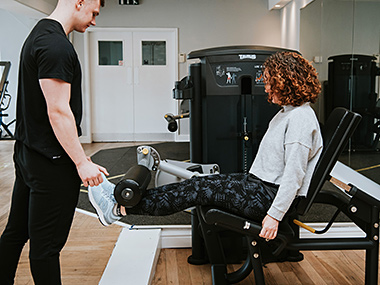
Knee pain isn’t reserved for those people who age or those who play sport, knee pain can develop in anyone at any time regardless of age or gender.
Most of the people I know have suffered with some kind of knee injury, currently I am also doing some rehabilitation work to reduce the pain and swelling in my left knee. I thought that now is the right time to share some useful information which could help, my go to rehab is always loosen the tight muscles, stretch the tight muscles and strengthen the weaker muscles around the injury.
However, it should be noted to mentally prepare because it is not easy and can be a painful ride. The type if knee injury will need to be considered before deciding on which exercises are going to help; either way its beneficial to invest in a roller to break down muscle tissue in over tight areas. The knee joint is supported by quadriceps, hamstrings, calf and anterior muscles of the leg, its worth remembering some of these muscles will tighten to protect the injury. Tight muscles can pull on the joint increasing the pain, rolling and stretching these areas helps to relieve the tightness and reduce knee pain.
Strengthening exercises help develop a natural support system around the knee joint.
Very often the two main muscles directly above the knee joint are weaker due to lack of use. So lets talk getting back into strength training, firstly are you prepared to spend time focusing on your rehab. If the answer is yes then lets get started.
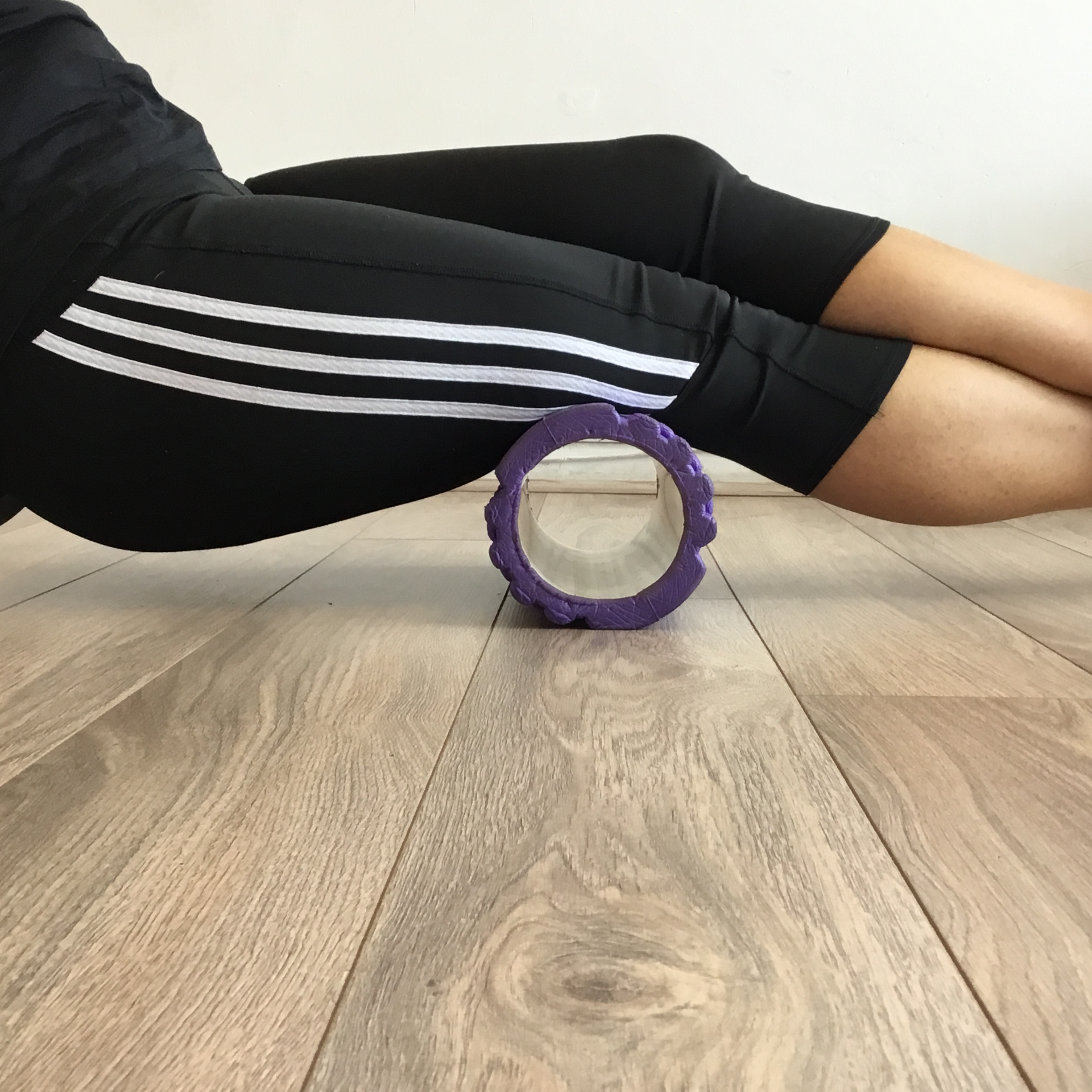
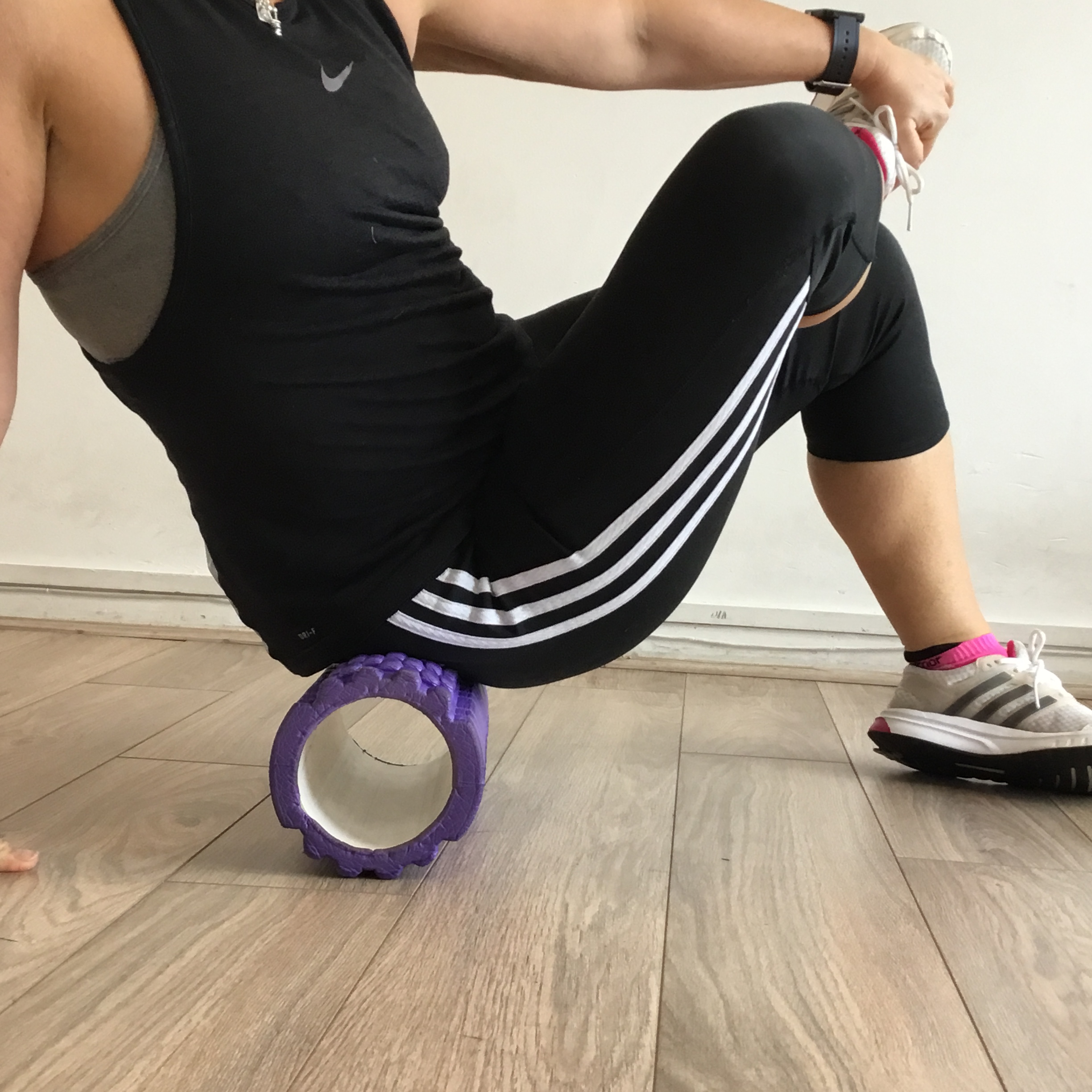
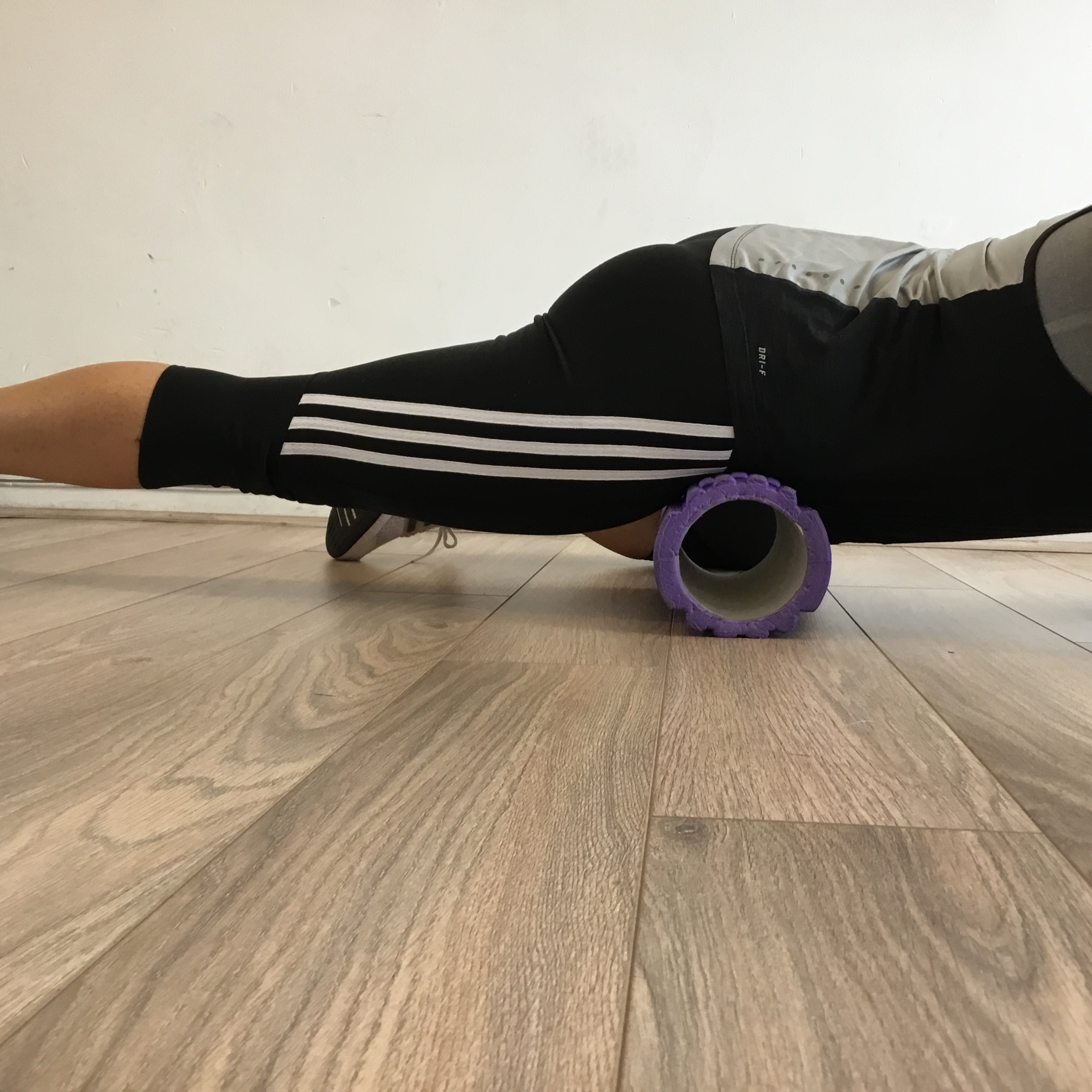
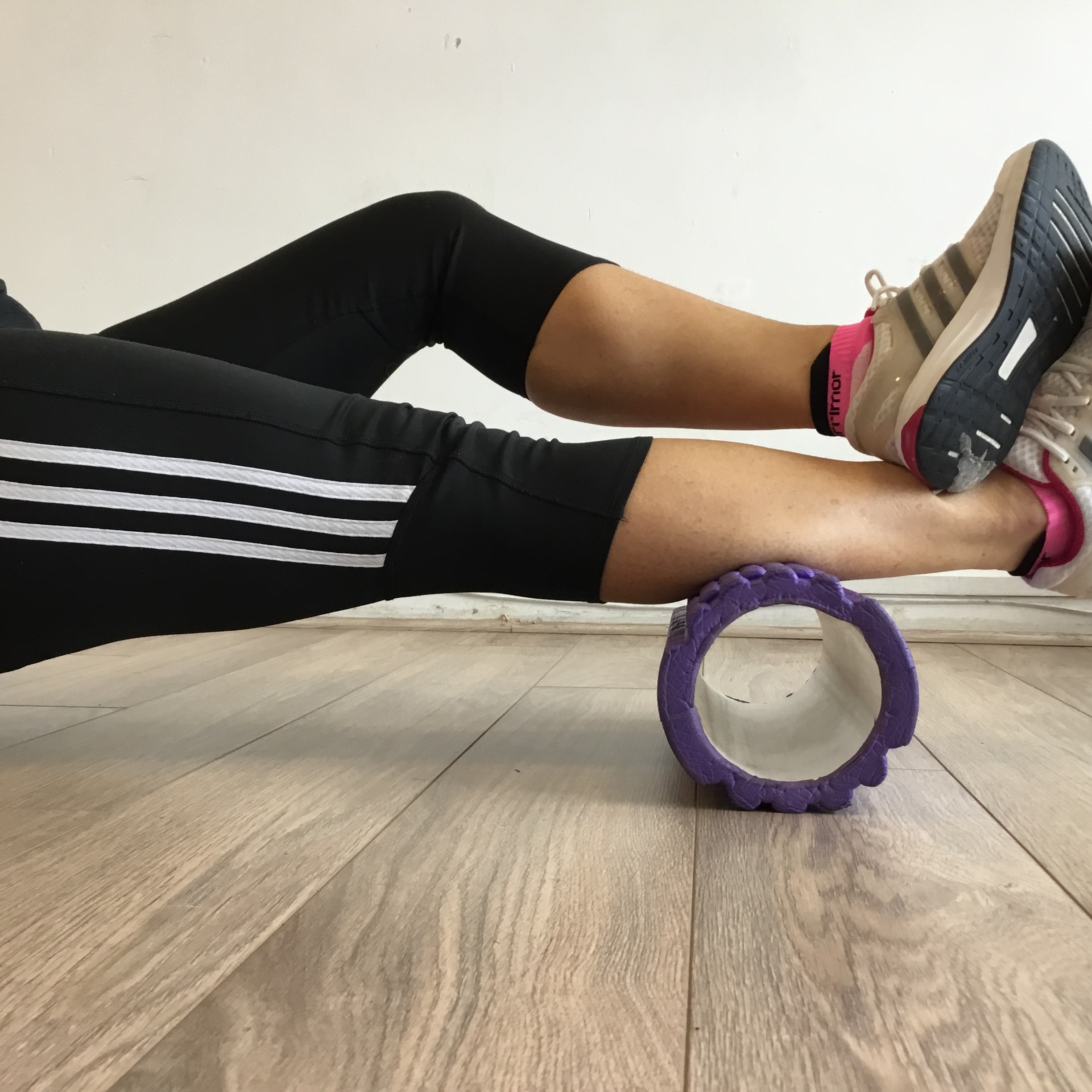
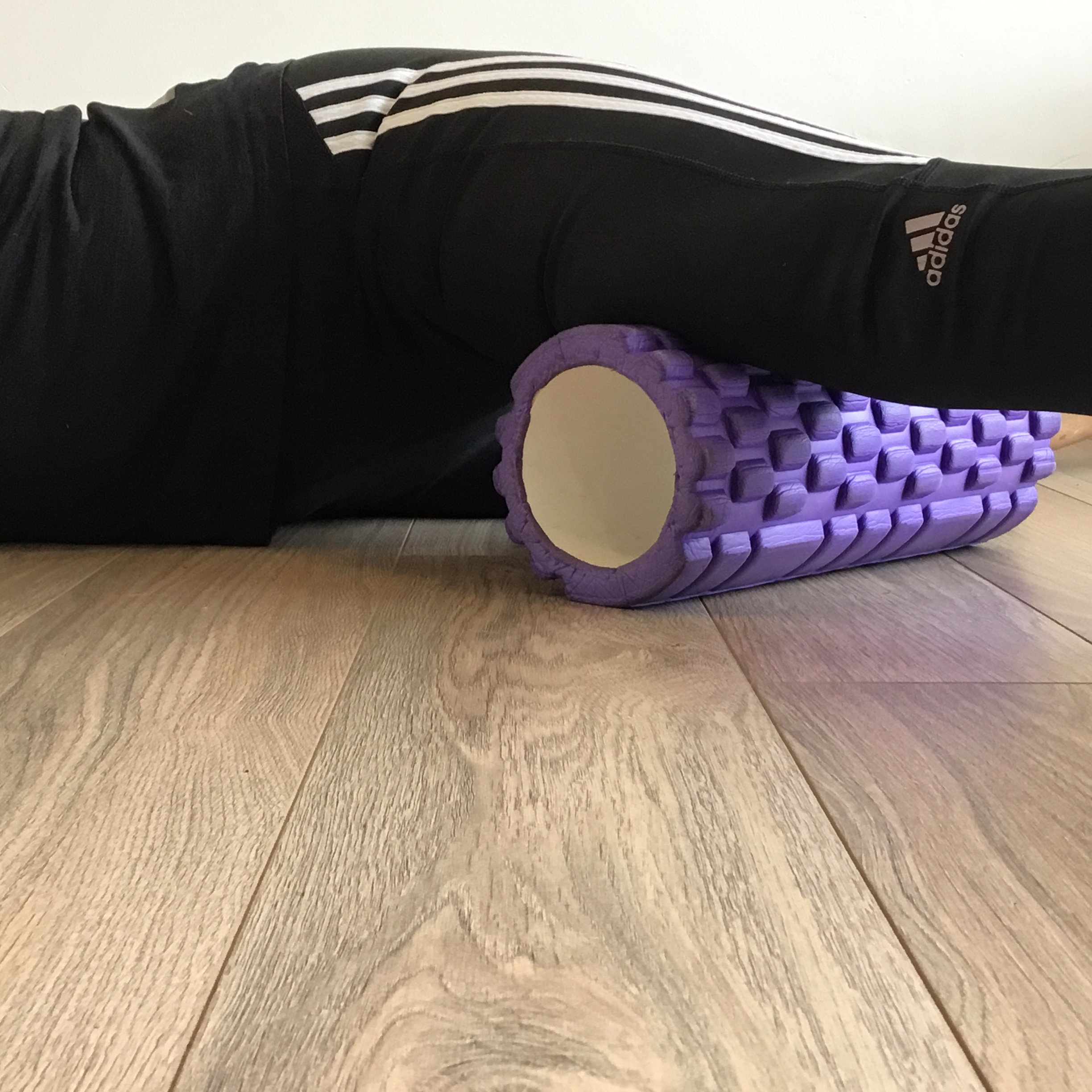
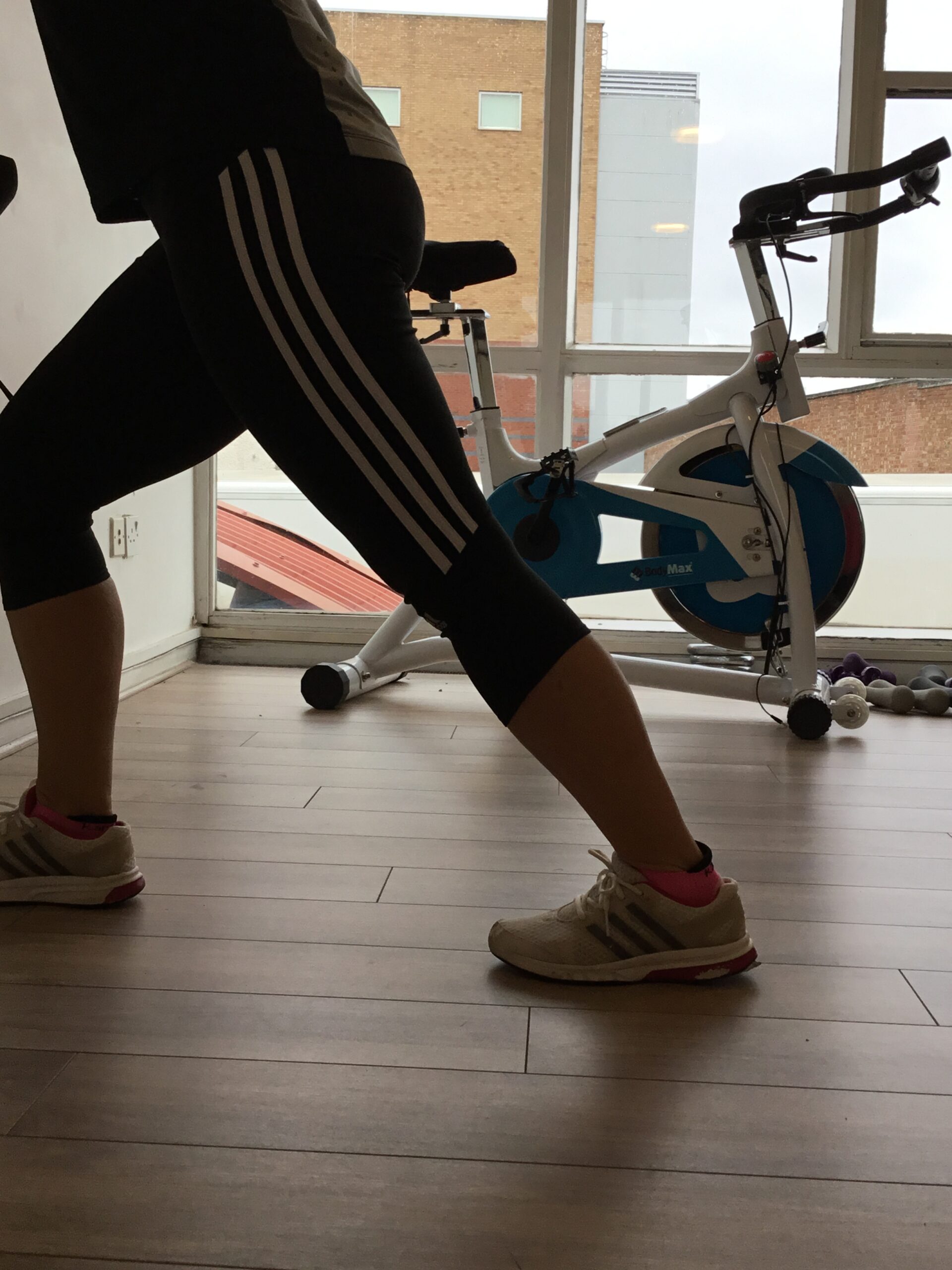
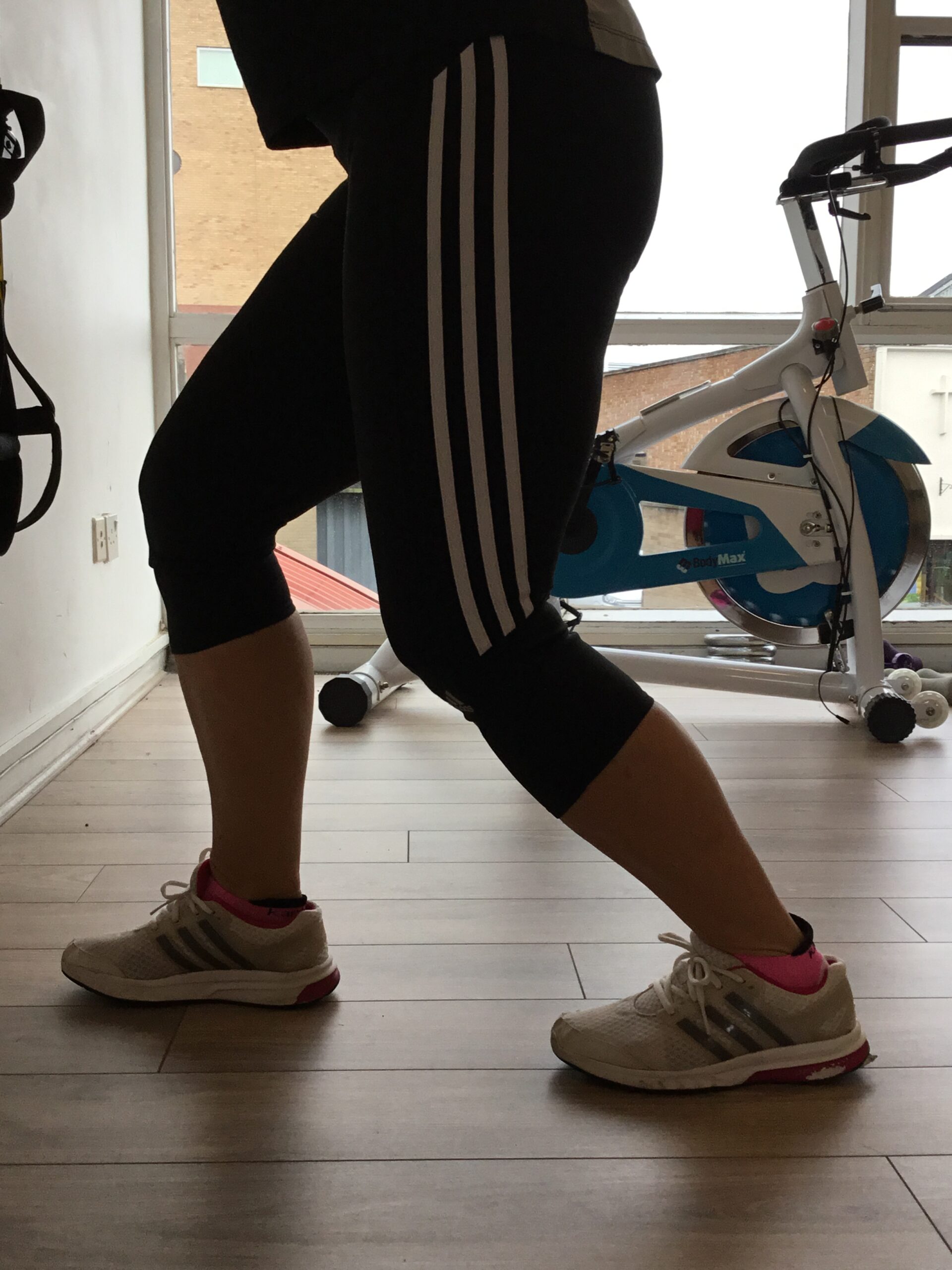
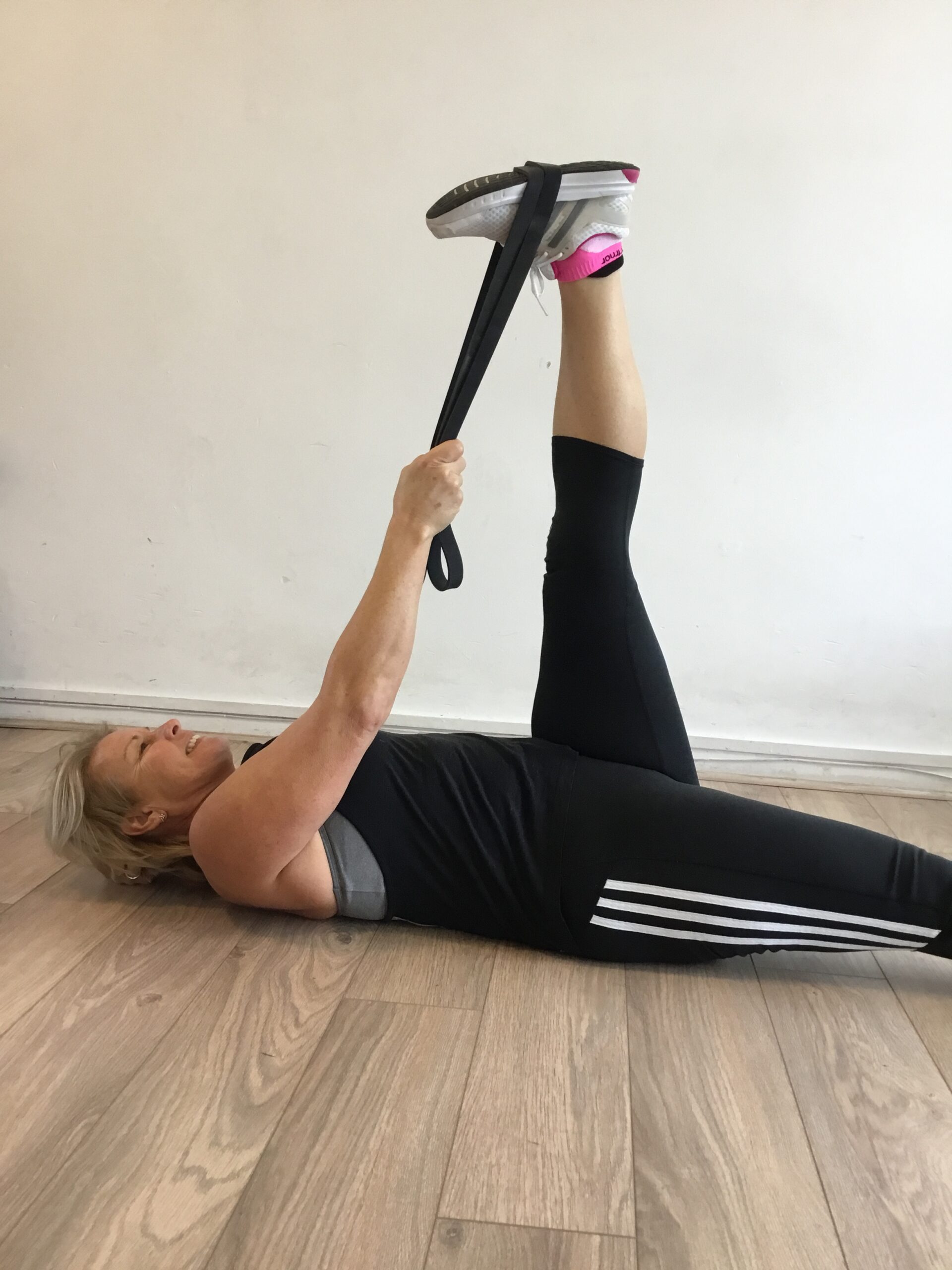
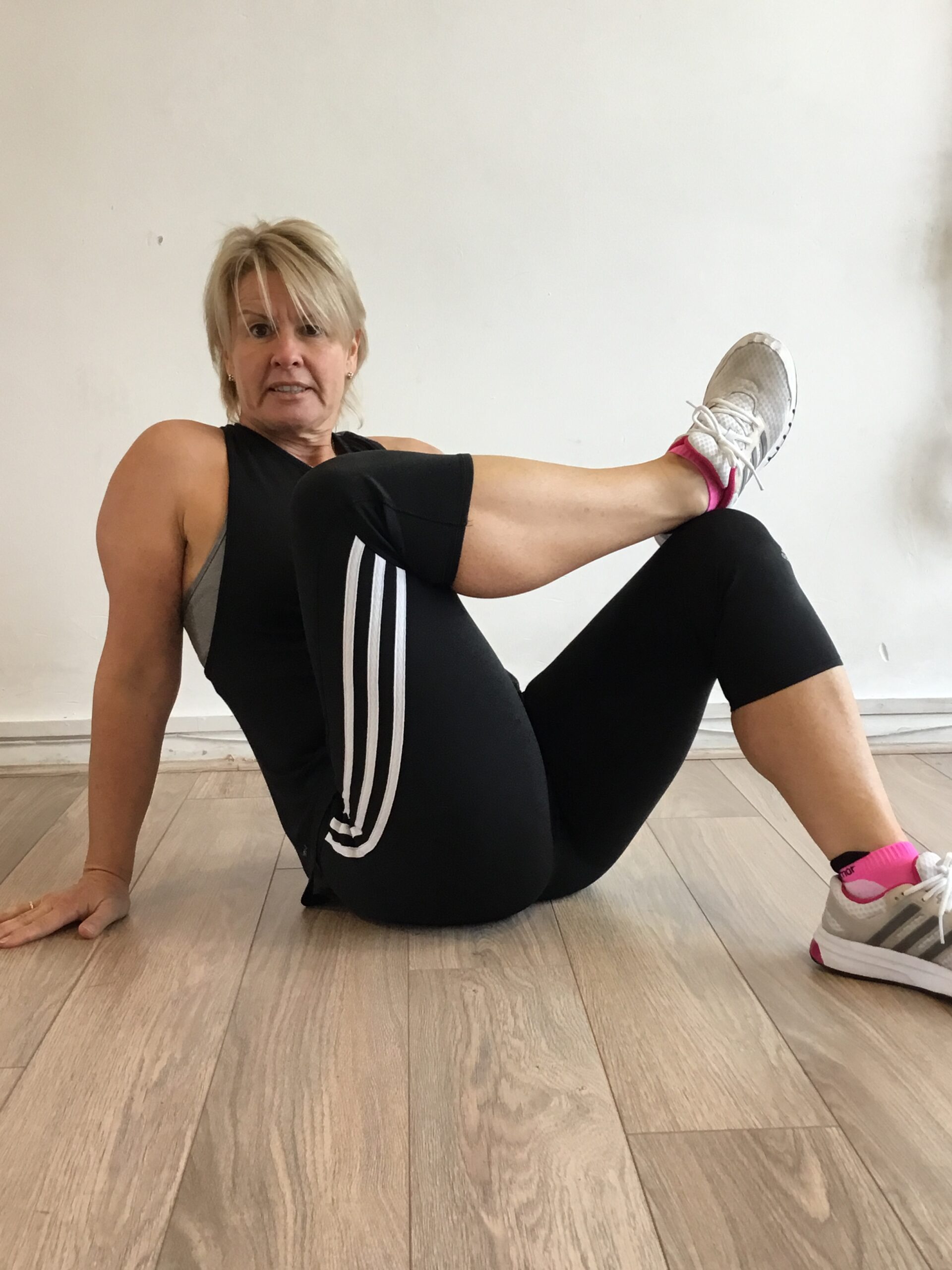
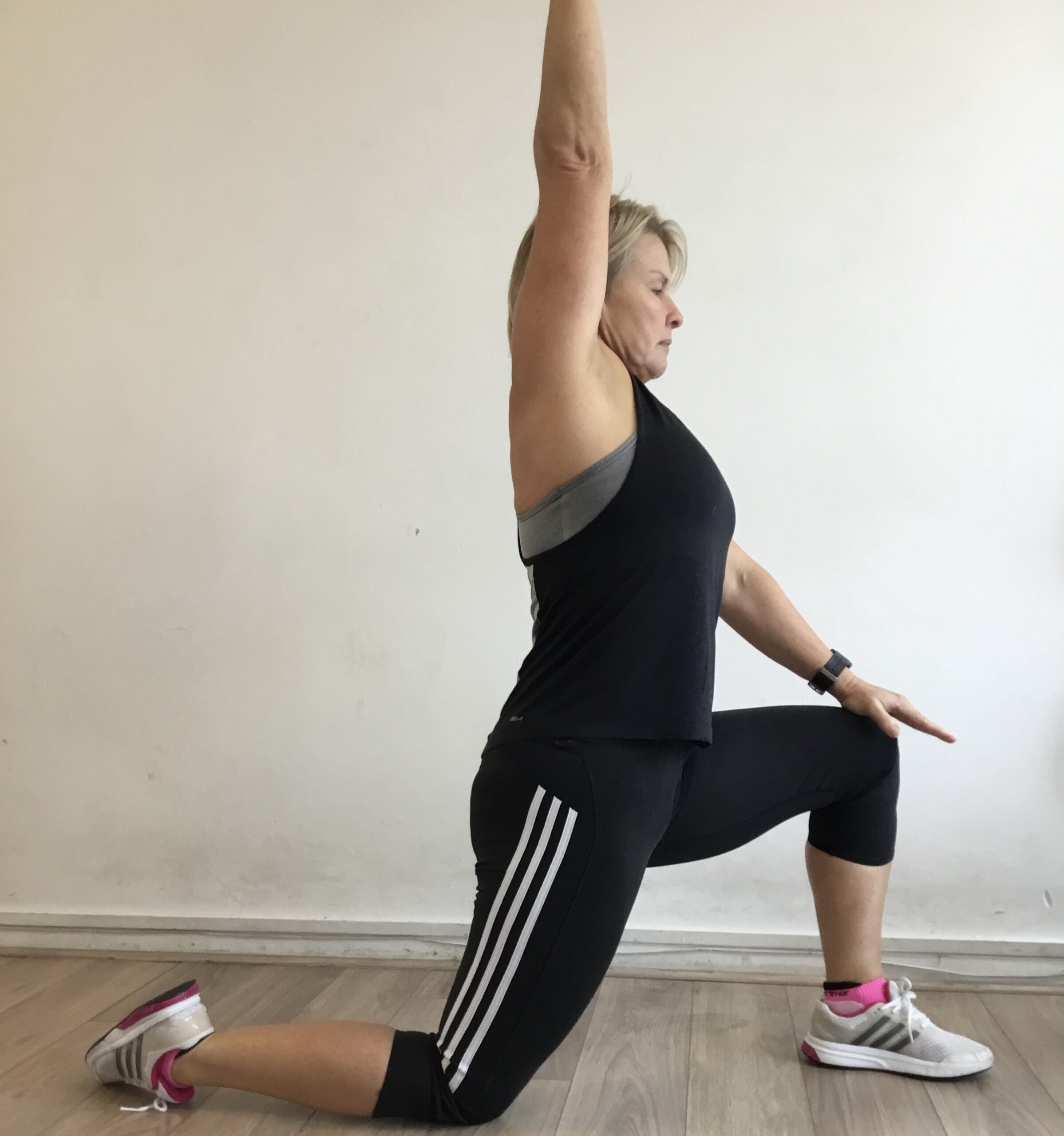
Once you have released the tension in these muscle groups then its time to work on some strength.
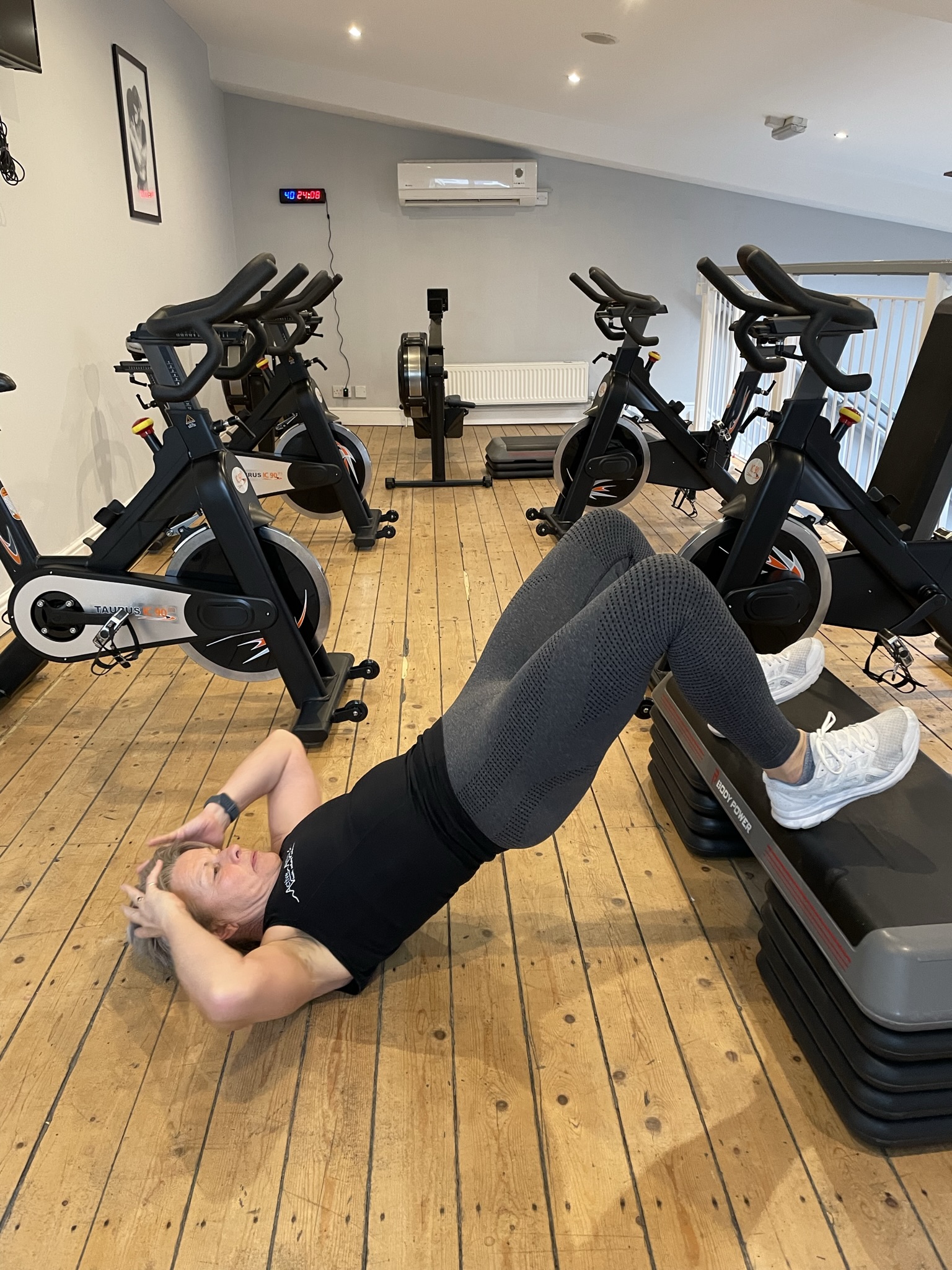
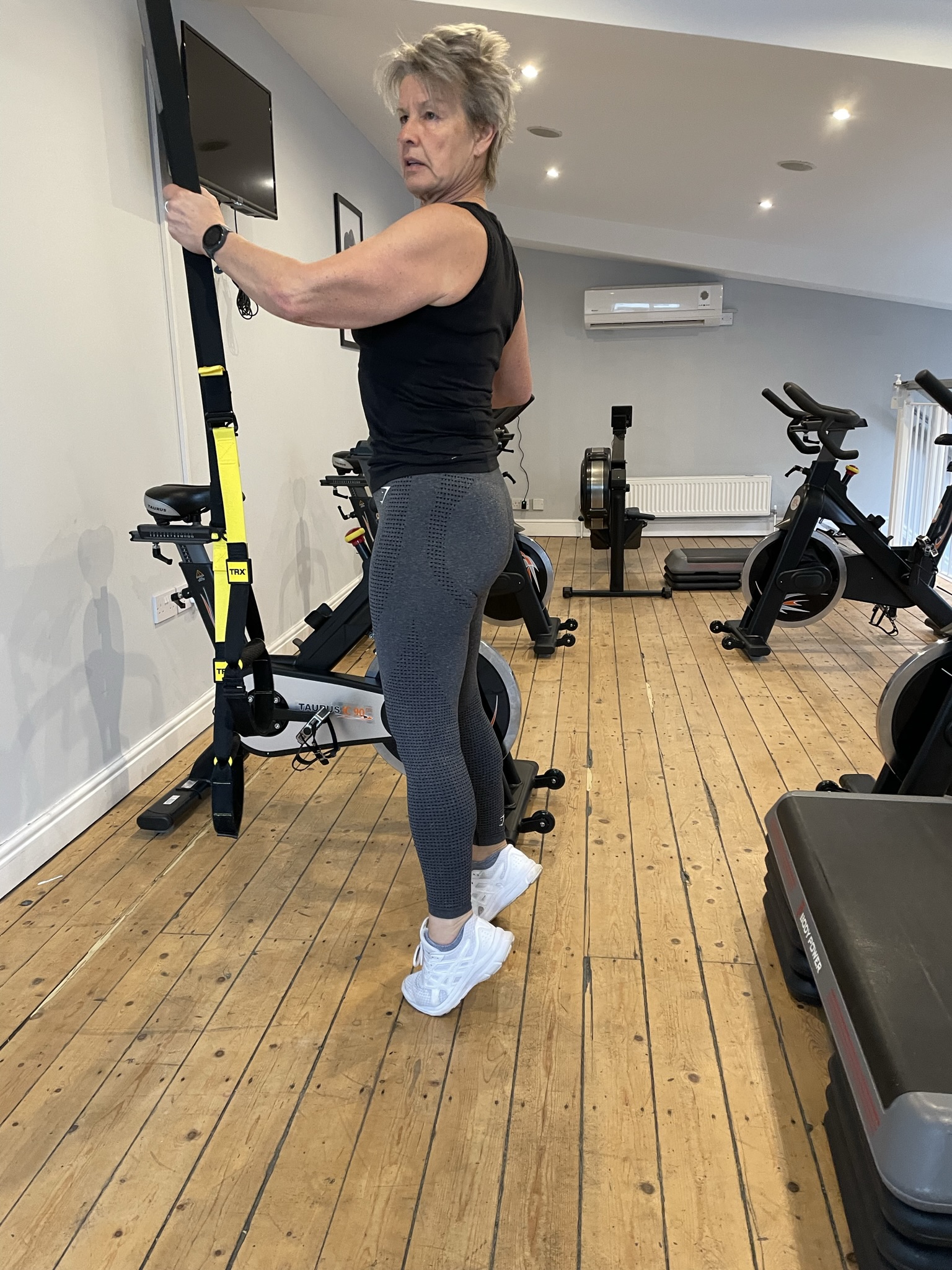
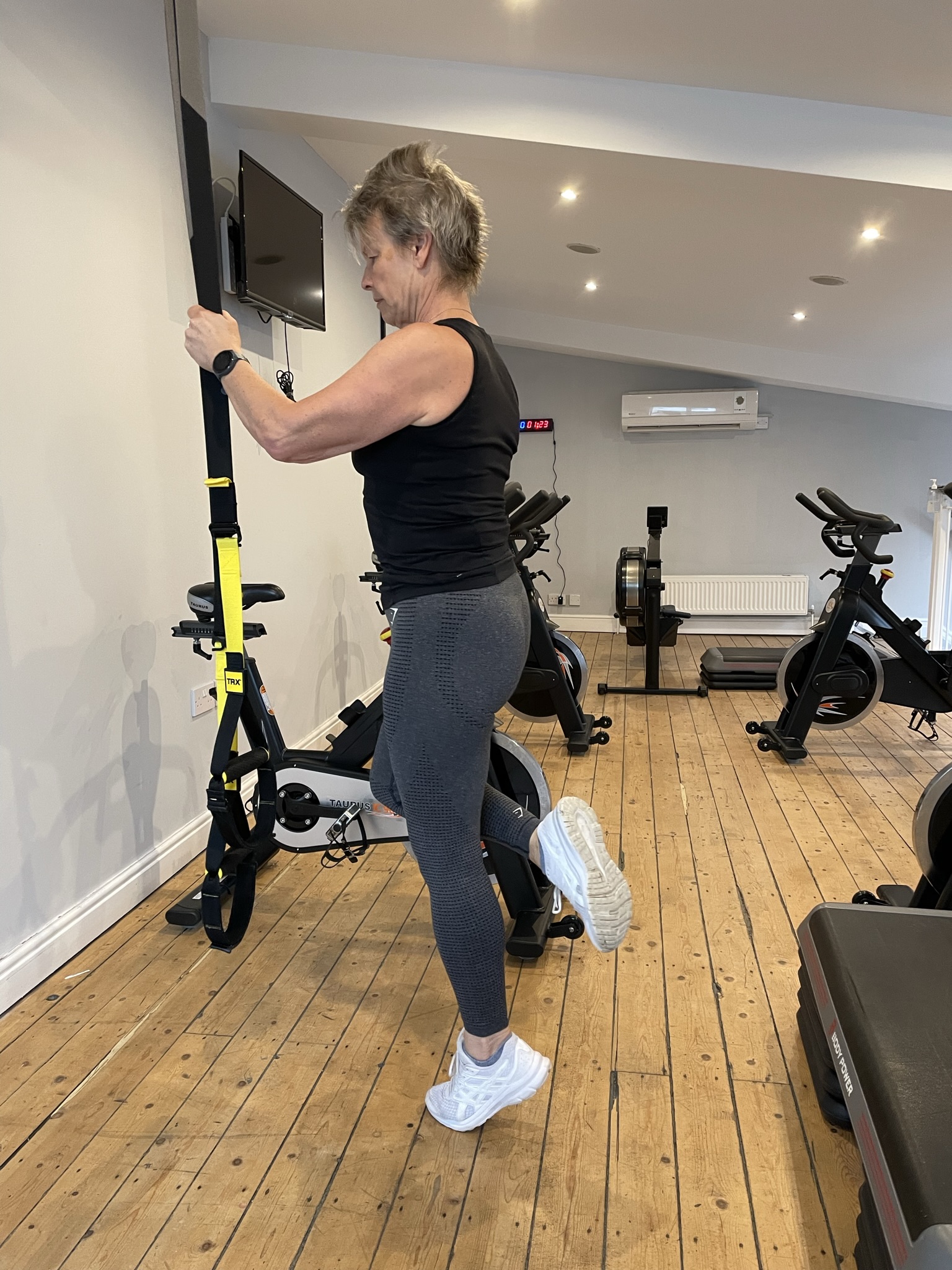
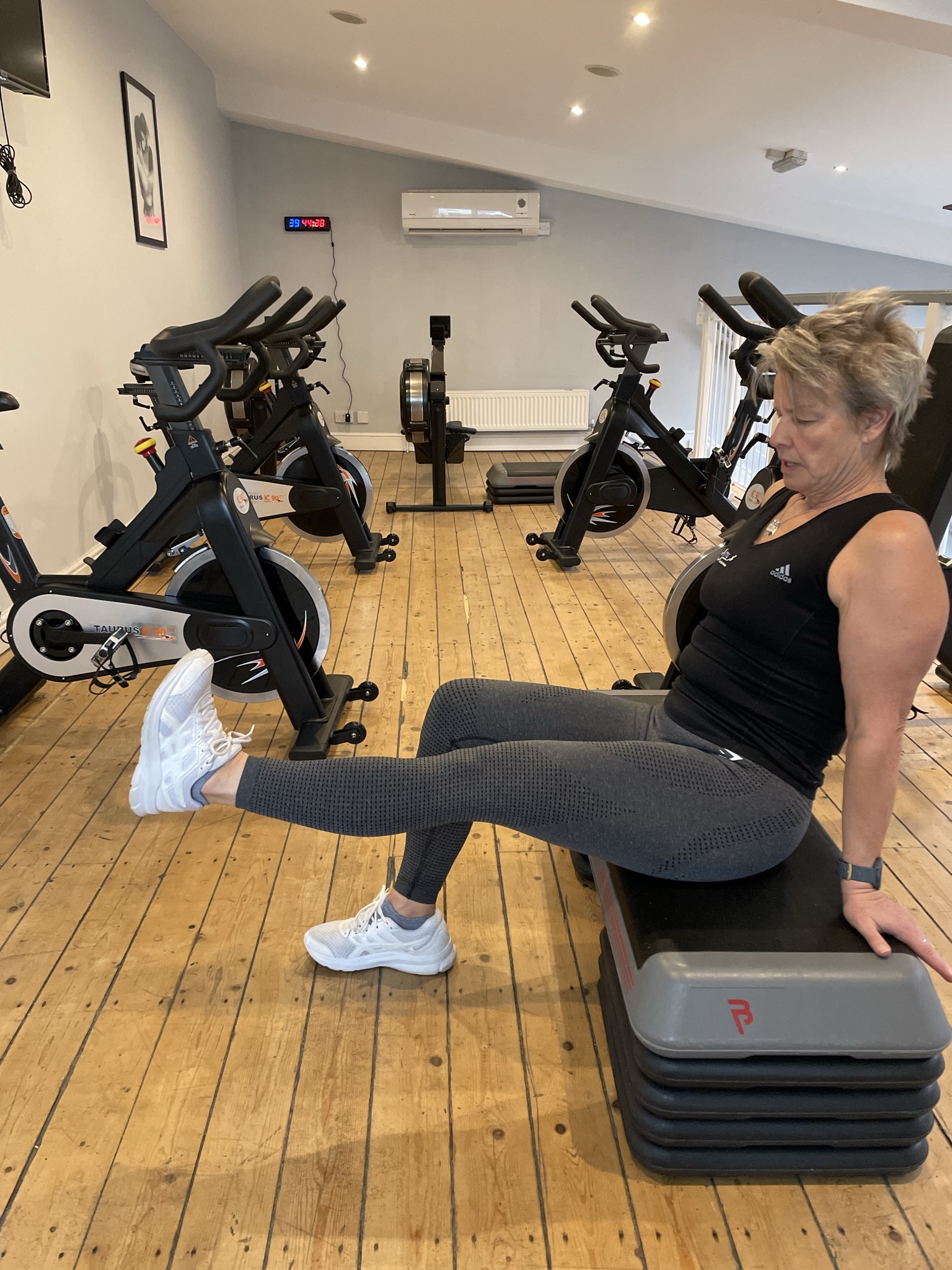
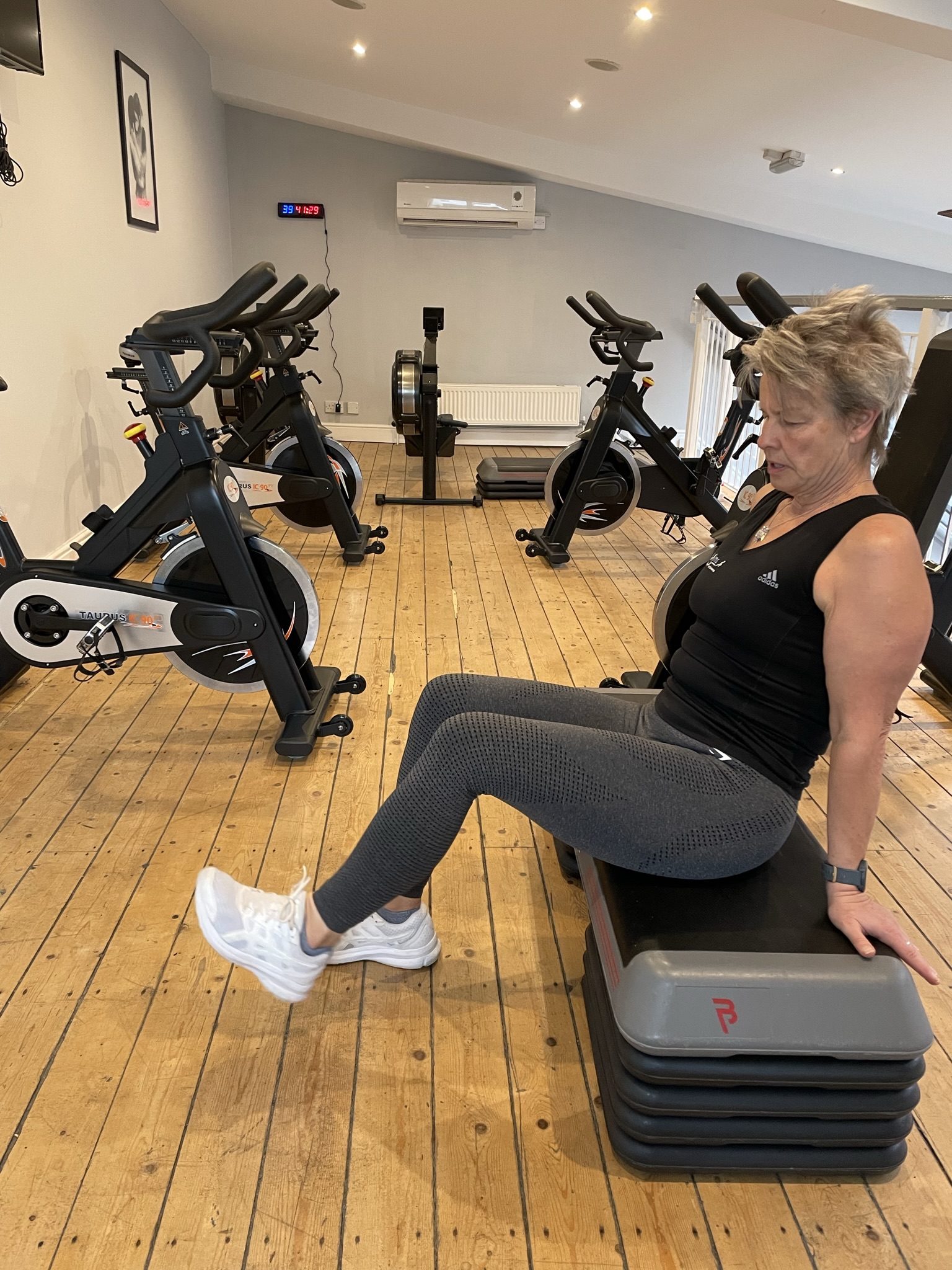
Performing exercises without weight could be a good starting point, slow and controlled movements 10 – 15 repetitions.
Increase intensity by using weights this could be leg weights or bands. progression to a gym using resistance machines and free weights.
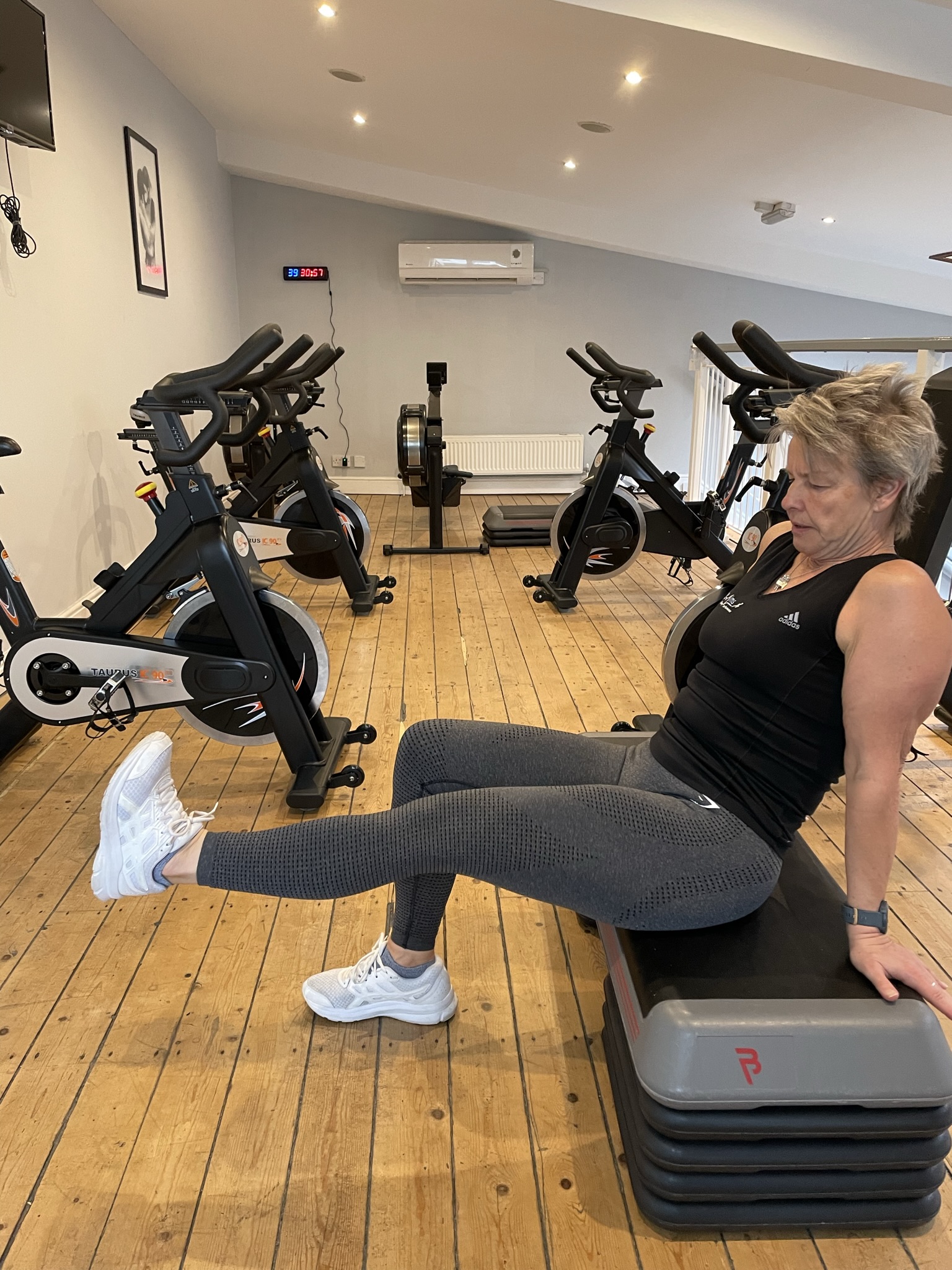
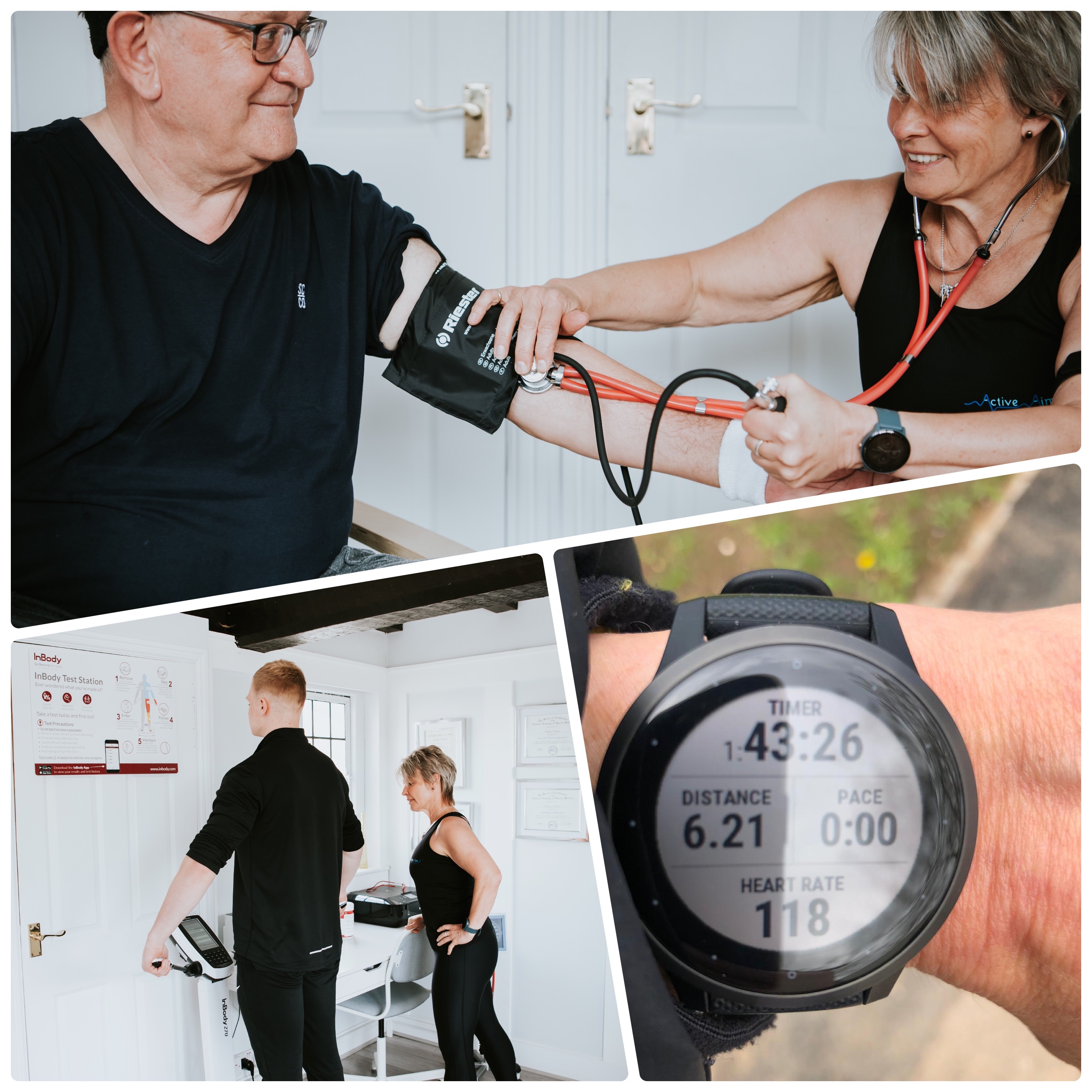
This time last year, I weighed in at 11st 2lb, which is far too much for 5’3.5″ …. so enough was enough, cursing menopause for changing my body shape and making me irrational it was time for the weight loss war – but heck it needed to be something I could live with and do without too much hassle. This was the very first time I had made any conscious effort to lose weight.
Sep
20
21
Life after Lockdown
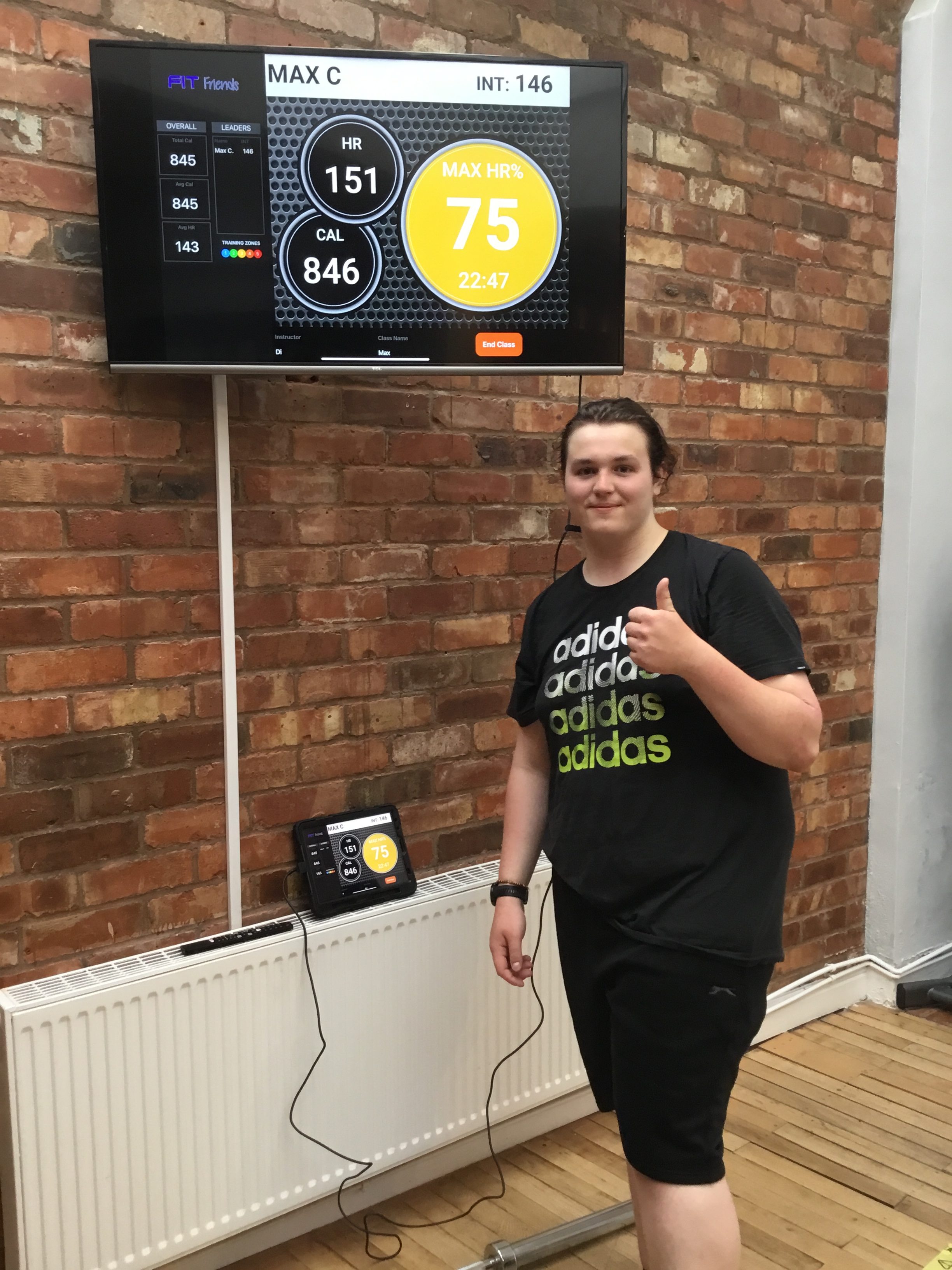
If lockdown has left you feeling low, lacking self esteem and with a weight gain, then returning back to normal life can be a scary thought. There are 100’s of people in the same position so you are not on your own. During lockdown we worked hard to develop a weight loss programme which requires no diet, if you like the sound of this then please do read on..
May
31
21
Obesity and weight loss
Losing weight as an obese person, isn’t the same as wanting to lose a few pounds, to feel better in your clothes, dropping weight it very often means changing the way you identify with yourself.
Preparation to lose weight needs to include some psychological intervention as well as nutrition and activity, in fact its more than a lifestyle change, it’s a whole new you.
Mar
12
21
Post Lockdown Goals
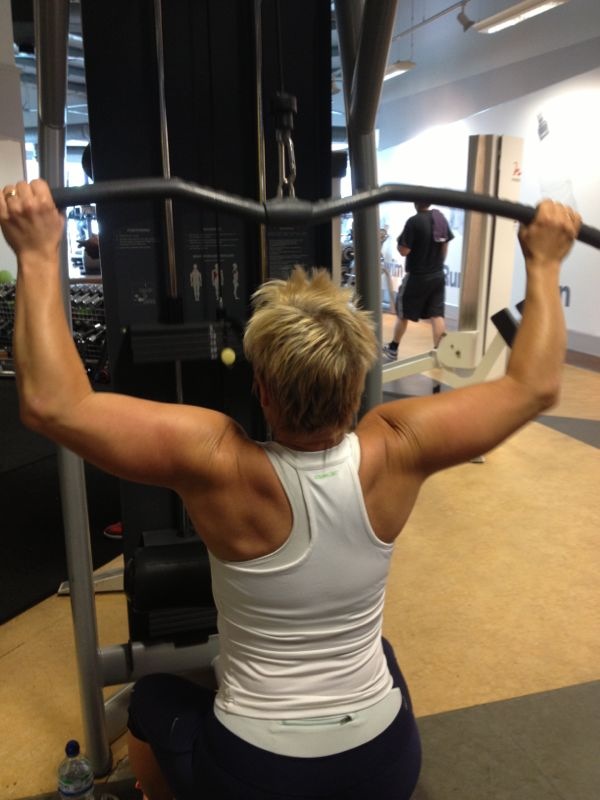
Lockdown forced many people to be sedentary, which has probably left most of us in need of some need of physical attention. Whether that be muscle balance, joint alignment, weight loss or just simply getting fit and healthy.
Feb
03
21
Is Lockdown Making You Fat?
When stressful situations arise finding comfort in food is fairly common, either in the form of overeating or binge eating. Ironically following a huge intake of food most people feel guilty about their behaviour adding even more stress to an already overloaded mind.
Nov
12
20
Working From Home
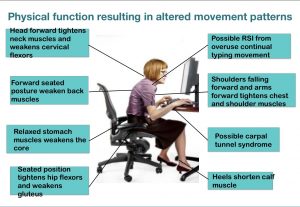
You wouldn’t think that sitting at a desk or working at a computer could cause so many injuries.
Additionally working from home could enhance any potential injuries because maybe your make shift, temporary work station is a hazard… have a read and see why you might feel physically grim whilst working from home.